Cruise Ship Energy Consumption

Cruise Ship Infographics Post Graficos De Informacion Barcos Cambio

How Much Fuel Do Cruise Ships Use Cruise1st Blog

Pin Pa Hopping Birds To Explore
How Much Fuel Does A Cruise Ship Use Lovetoknow

The Leading Cruise Companies On Environmental Reporting Gliese Foundation
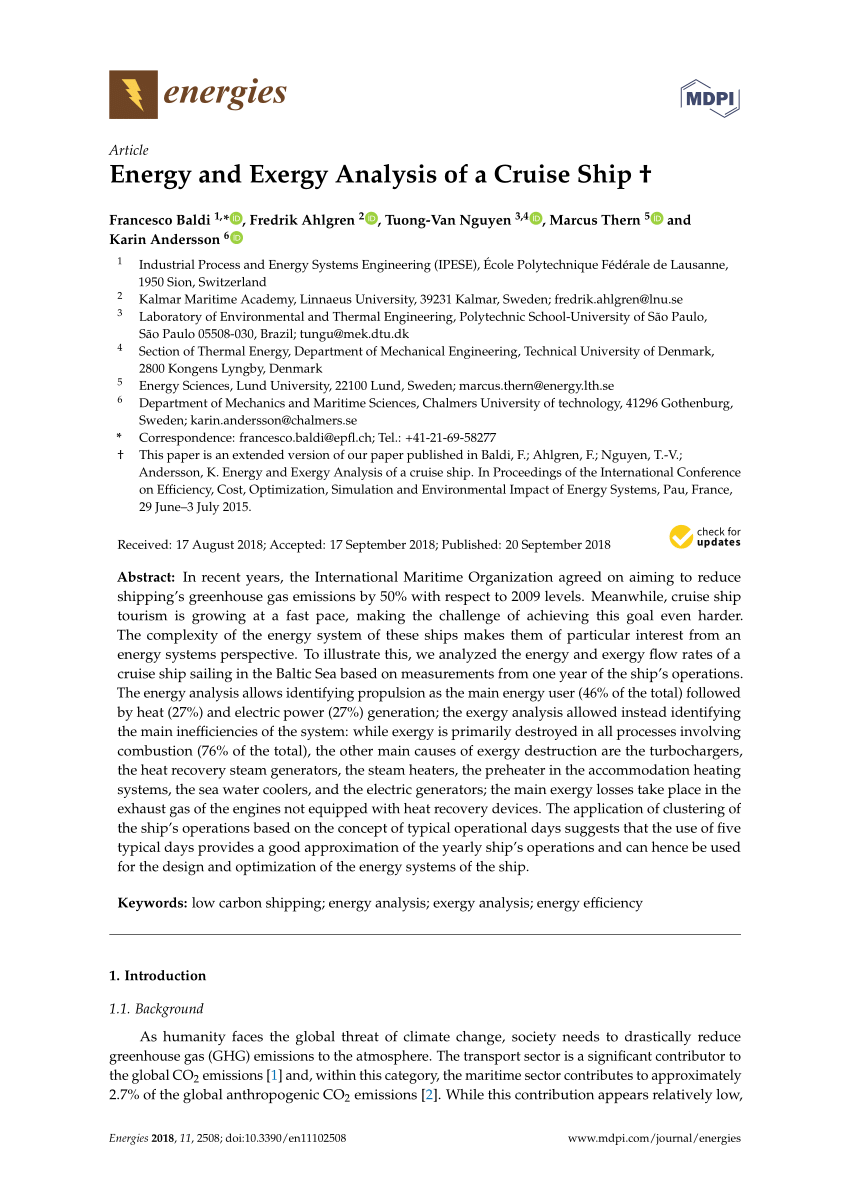
Pdf Energy And Exergy Analysis Of A Cruise Ship
You can use a simple calculation based on the power rating of the engine and the specific fuel consumption as promulgated by the engine builder.
Cruise ship energy consumption. Tuscany Cruise Ship Tour. Cruise ship sailing in the Baltic Sea based on measurements from one year of the ships operations. The results show that the power consumption of ERRD AC system is only 3287 of conventional AC which meant that ERRD AC system has potential to make full use of ship waste heat to realize.
The energy analysis allows identifying propulsion as the main energy user 46 of the total. The amount of fuel an average cruise ship goes through in a voyage is generally around 300 tons a day. How much is dependent on the size of the ship the speed it goes and the distance it travels.
A ship owner may invest the up-front capital to put in energy-efficient technology but not receive the benefits. How Much Fuel Do Cruise Ships Use. Calculations made for shaftline vessels in the customer project evaluation phase.
The International Maritime Organization IMO estimated that in 2007 the global fuel consumption of passenger ferries and cruise ships was 313 million tonnes Mt which corresponded to. While in port our cruise ships continue to generate their own power providing heat air conditioning lighting and hot water for guests and crew similar to a hotel. Today energy management and energy optimisation has decreased the fuel consumption by an average of 4 fleetwide in Royal Caribbean.
The energy consumption of cruise ships has traditionally been improved by enhancing the properties of the ships hull or efficiency of its propulsion. According to How Cruise Ships Work the cruise ship QE2 consumes 380 tons of fuel per day when it is travelling at a speed of 285 knots and is fully loaded with fuel for a 12 days roundtrip. Fuel consumption by a containership is mostly a function of ship size and cruising speed which follows an exponential function above 14 knots.
Maneuvering into port and in shallow waters Fjord mode. Smaller vessels like a 440-foot-long ferry might carry around 130000 gallons of fuel while a gigantic ship measuring over 1300 feet in length can tote over 4 million gallons. The 2012 fuel consumption numbers for transiting the ECA were calculated by multiplying the spent power for propulsion GWh by the fuel consumption rate of 0175 kgkWh and the conversion of 42195 Btukg based on the NEMS heating value for residual oil17.

Pin On Domaine Pro Mer Bateaux Ships Boats

Cruise Lines And Sustainability Give Me 5
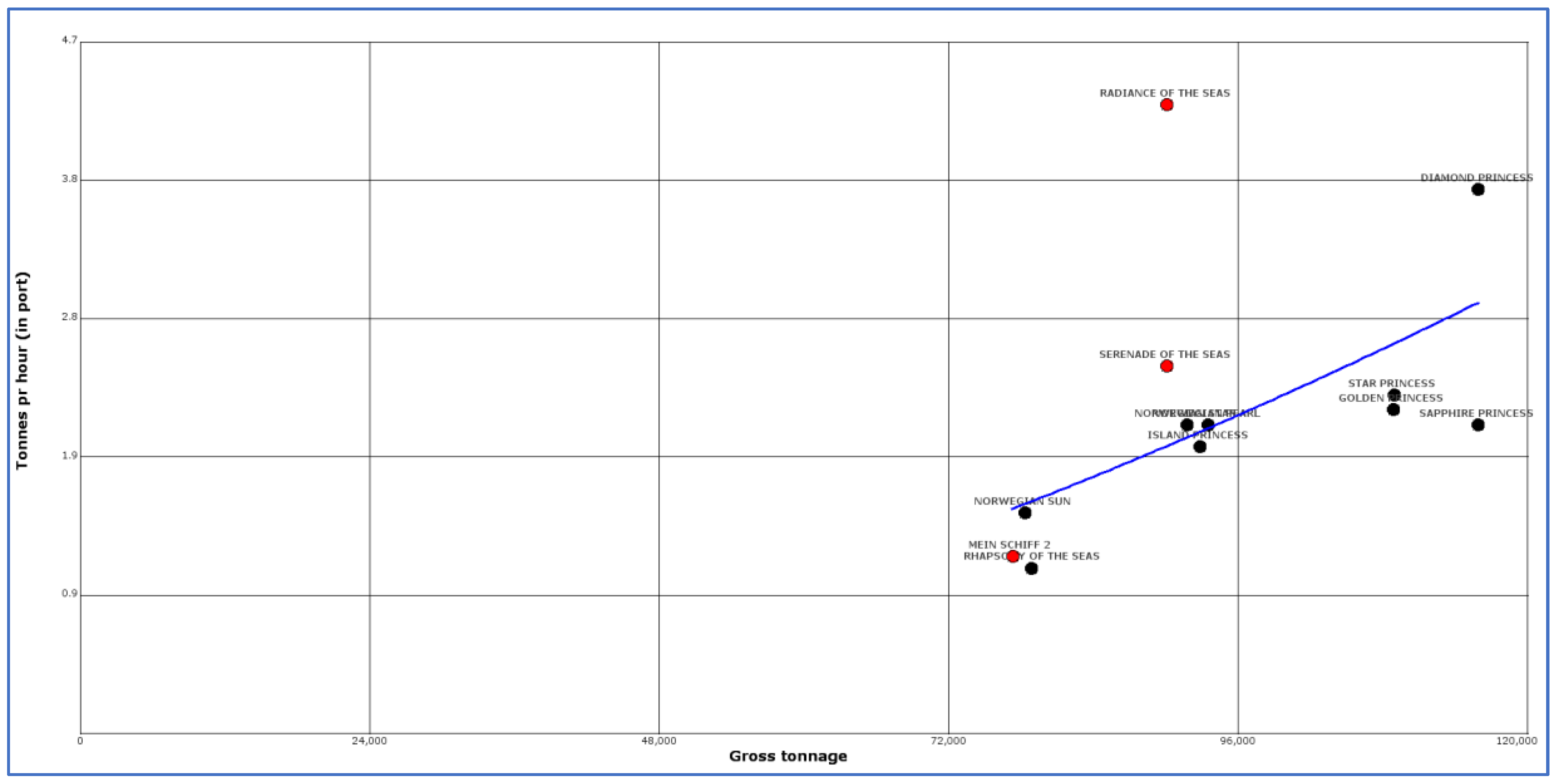
Energies Free Full Text Model For Estimation Of Fuel Consumption Of Cruise Ships Html

Wartsila Powering New Cruise Ships Diesel Gas Turbine Worldwide
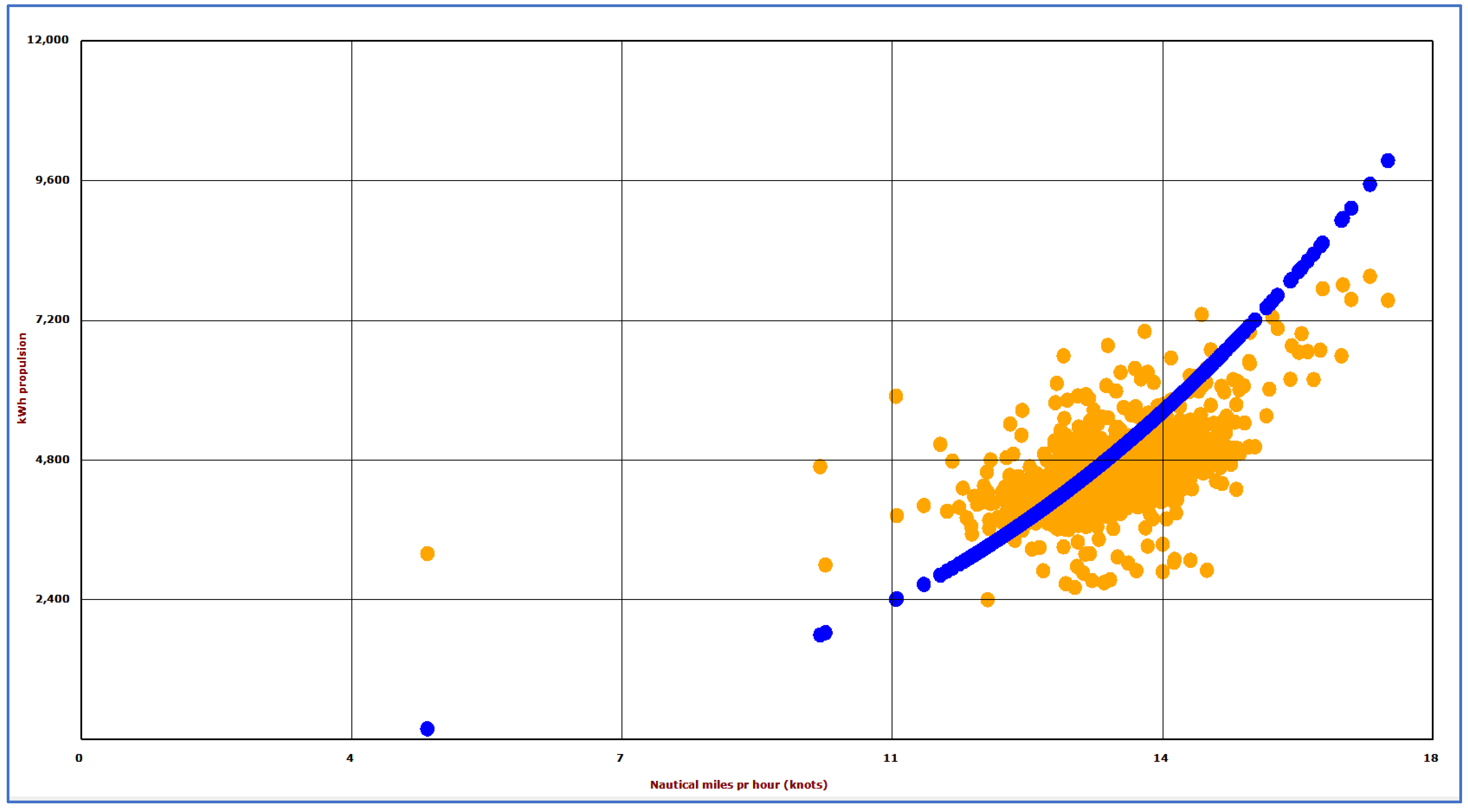
Energies Free Full Text Model For Estimation Of Fuel Consumption Of Cruise Ships Html
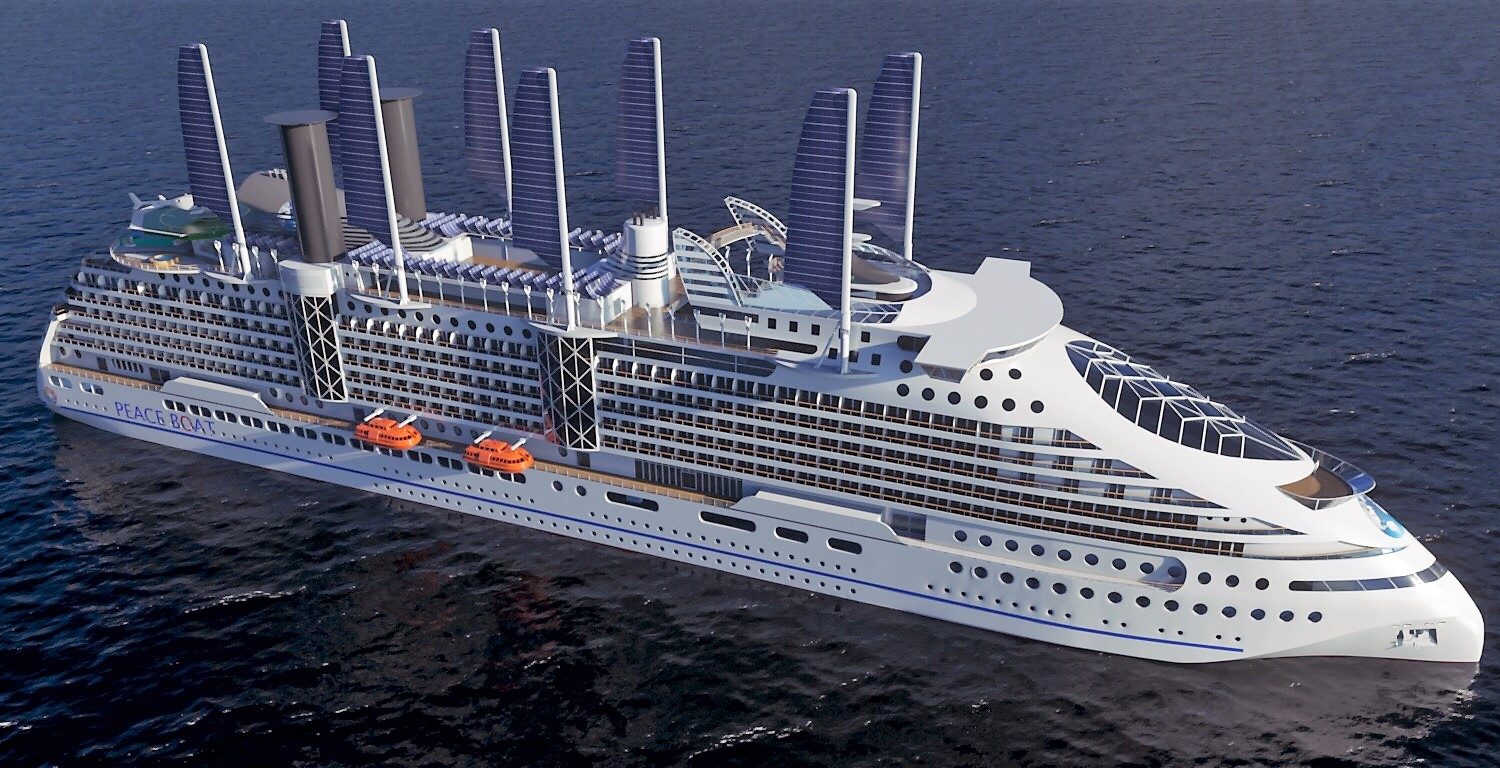
World S Most Eco Friendly Cruise Ship Designed In Spain Safety4sea
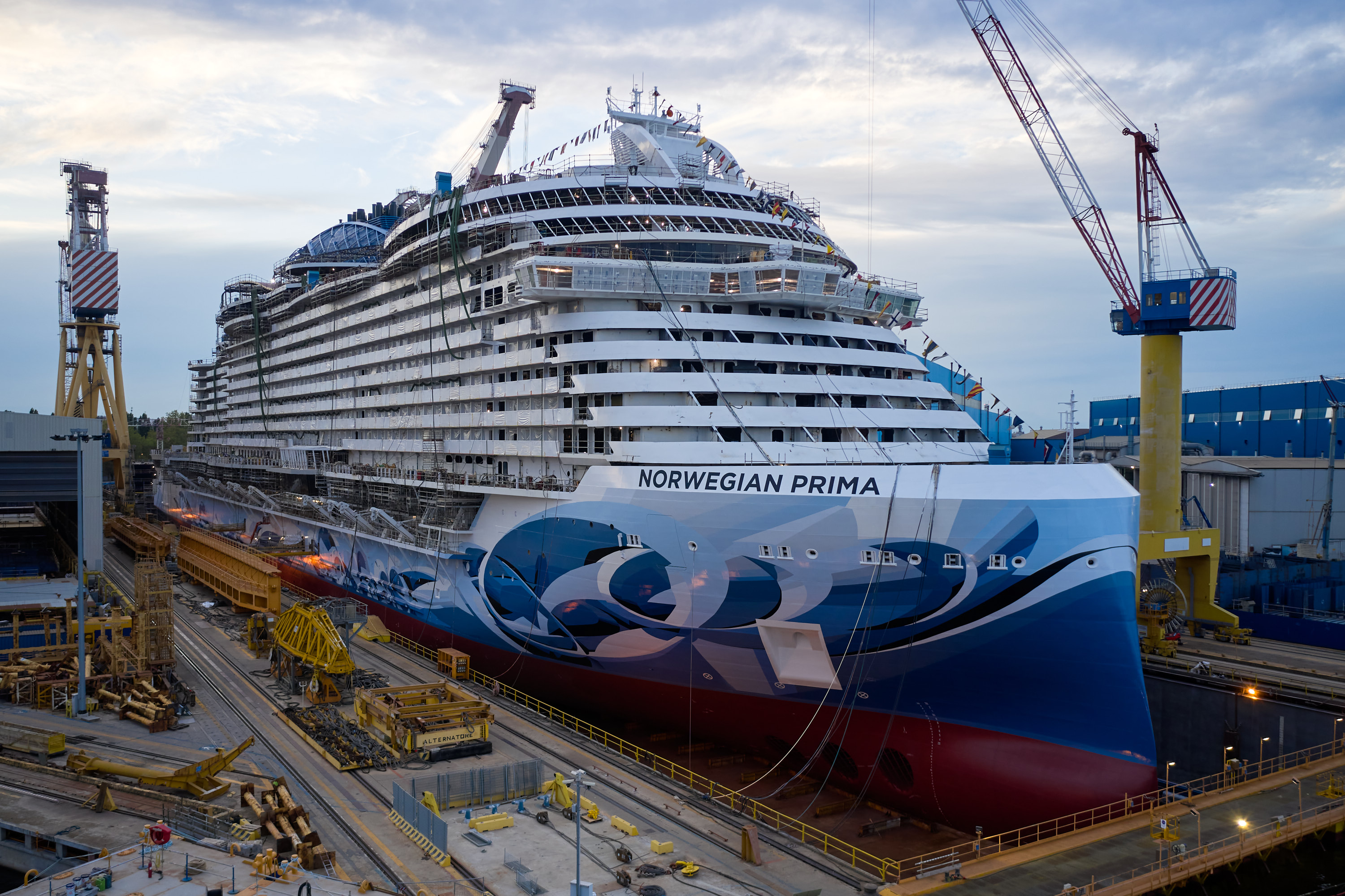
Ncl S Lead Prima Class Cruise Ship Launched In Italy Offshore Energy
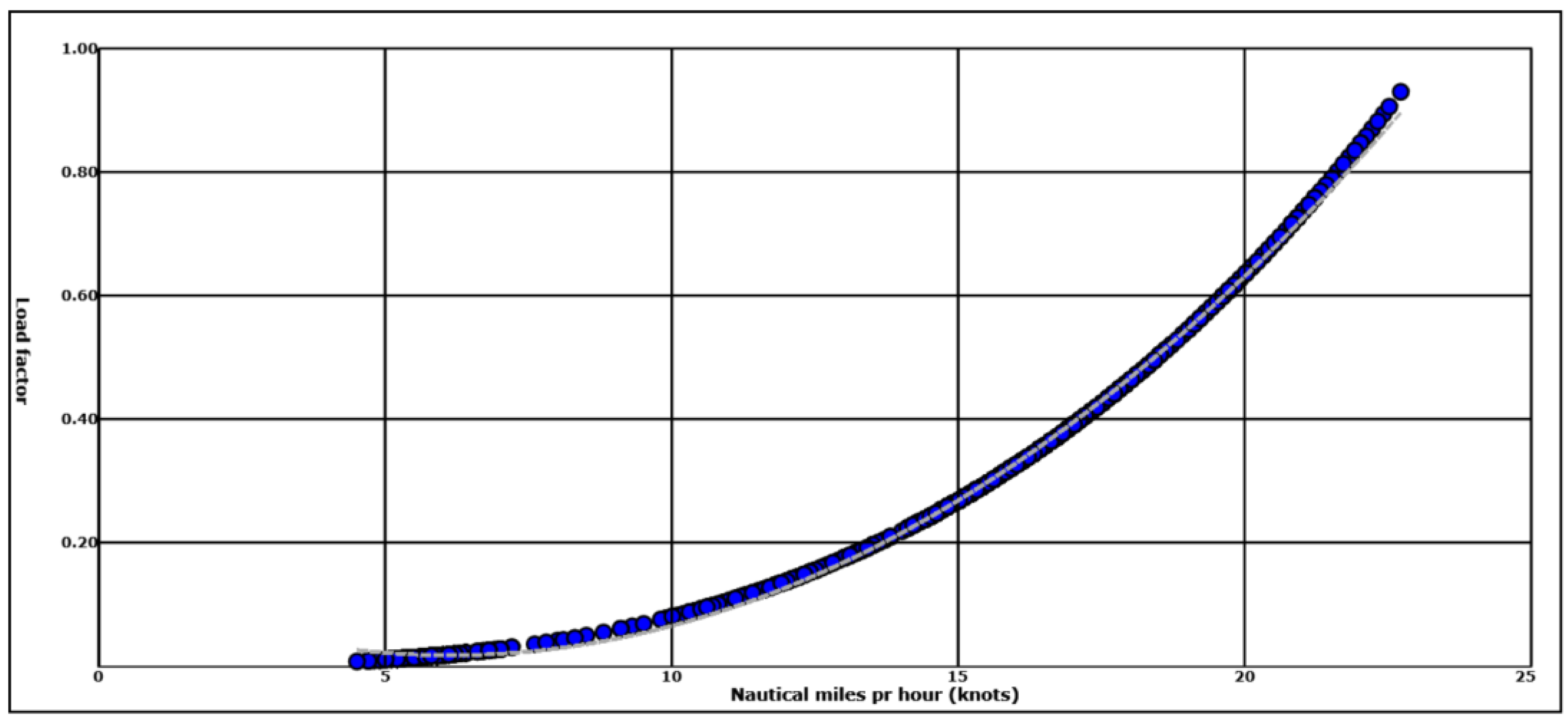
Energies Free Full Text Model For Estimation Of Fuel Consumption Of Cruise Ships Html

Explore A World Of Wonders With Msc Cruises Msc Cruises Cruise Deals Cruise
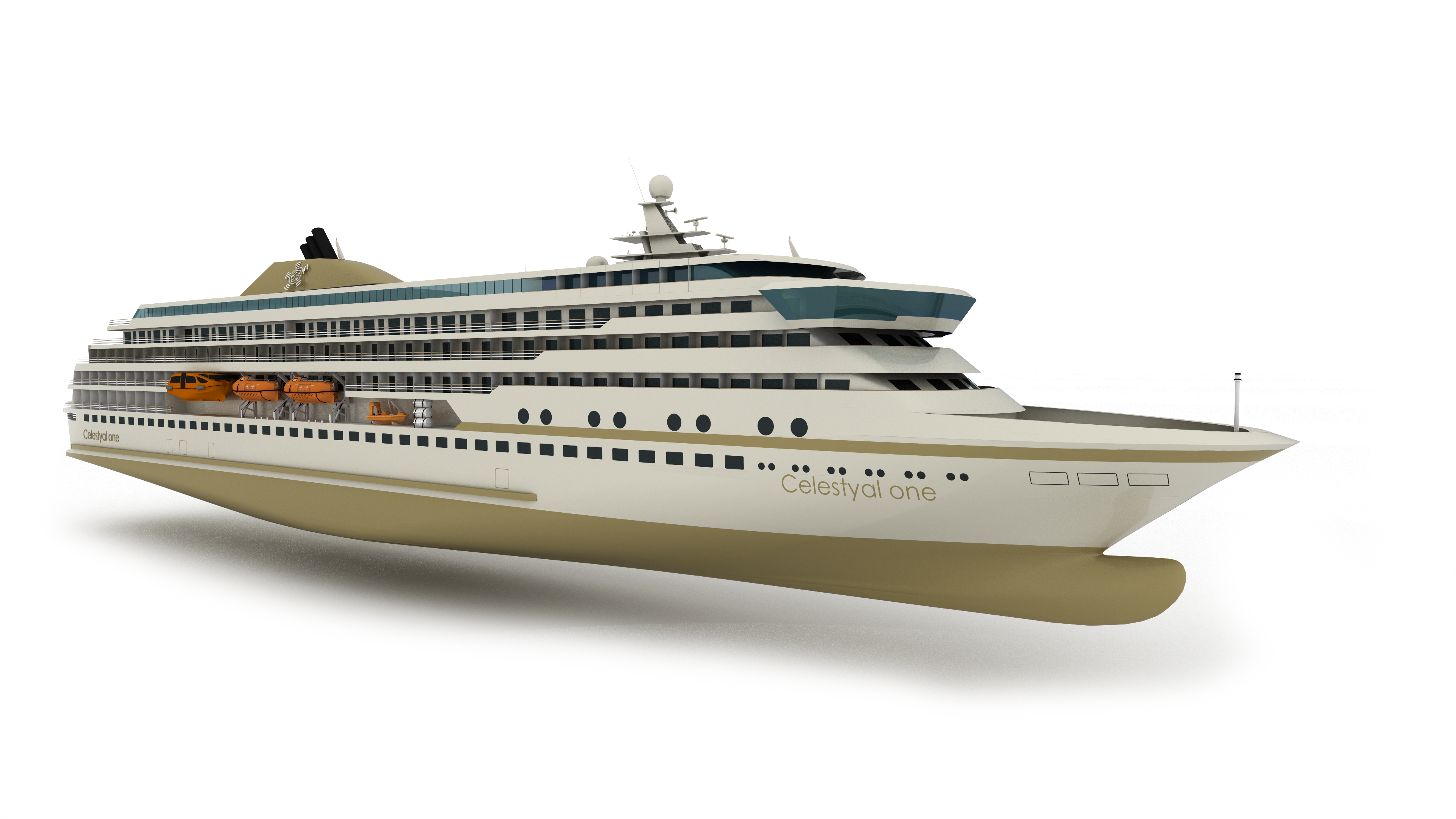
800 Passenger Cruise Vessel For Celestyal Cruise Knud E Hansen

Passenger Ship Technology 4th Quarter 2018 By Rivieramaritimemedia Issuu
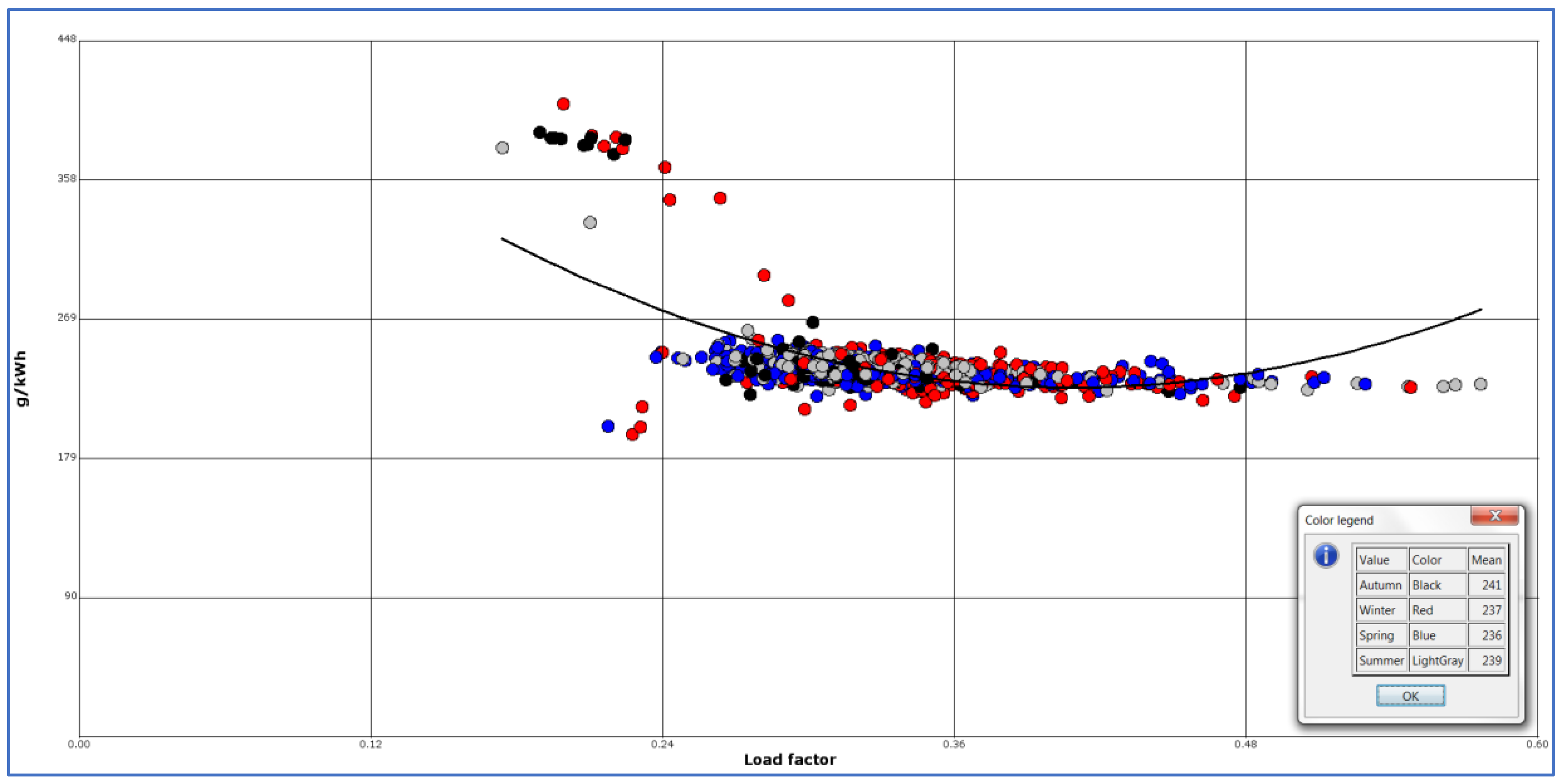
Energies Free Full Text Model For Estimation Of Fuel Consumption Of Cruise Ships Html

H H Hvac And Refrigeration For Passenger Vessels By Heinen Hopman Issuu

Ulstein

