Waste Management In Cruise Ships

The Leading Cruise Companies On Environmental Reporting Gliese Foundation

Cruise Lines Ditching Plastic An Environmental Win For The Sector

Power Knot Cruise Ships Set Sail With Power Knot Biodigesters On Board

Power Knot Cruise Ships Set Sail With Power Knot Biodigesters On Board
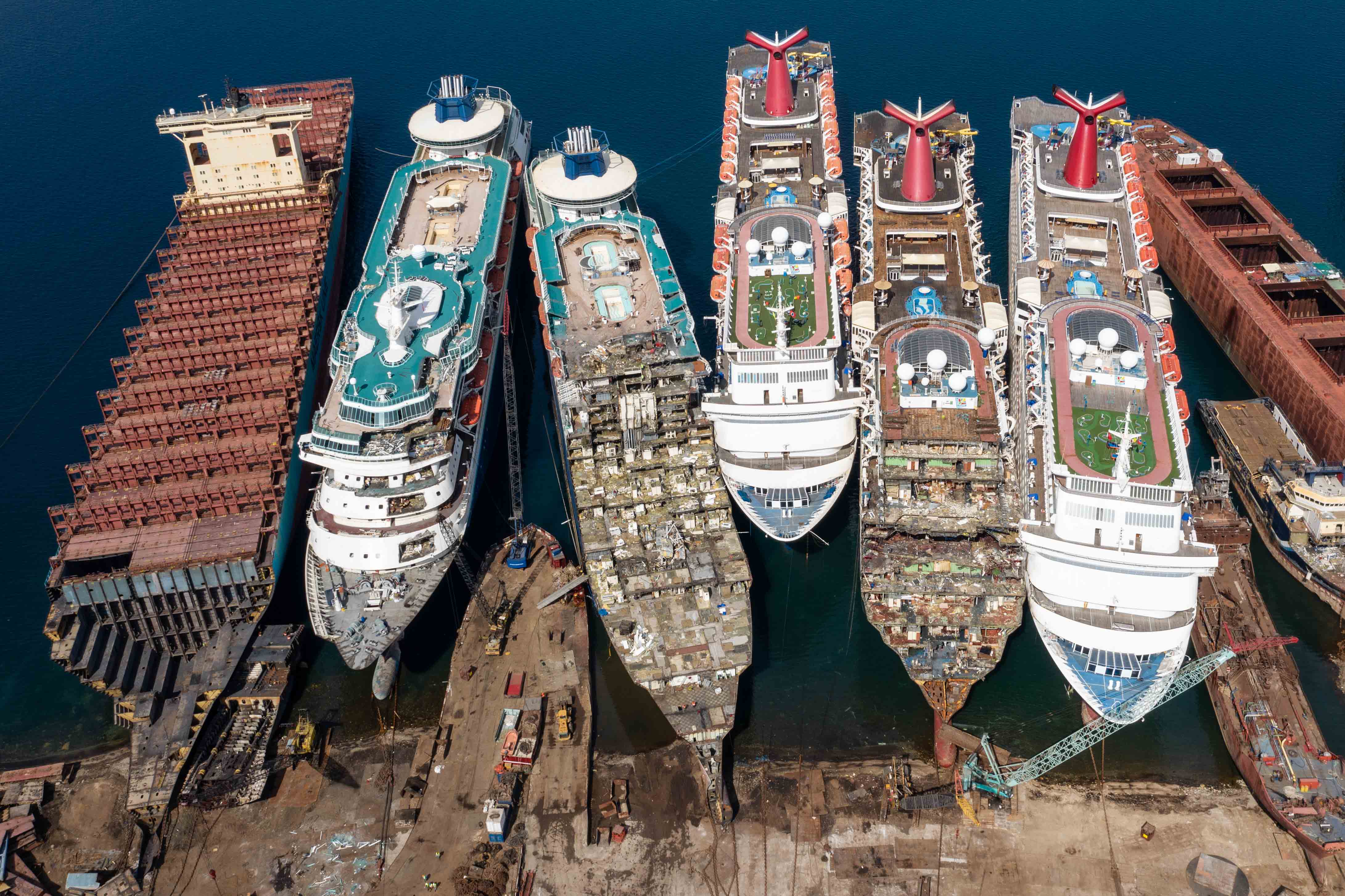
The Messy Booming Business Of Recycling Cruise Ships In Turkey Bloomberg
Glrzn4ajjct Lm

Cruise ships today have a capacity of about 5000 passengers and there are projects in development of cruise ships that will accommodate up to 10000 passengers.
Waste management in cruise ships. 77 - 99 the employee takes all butane canisters and returns them to deck 2 in the flammable. Especially for the cruise ship industry this topic is even more important as they have to deal with limited facilities as well as limited space. Here we report over possible optimizations onboard cruise ships in the management of glass paper and cellulosic waste ranging from simple rationalization of the materials use for glass and paper to the recovery of some of the energy embedded in paper and other cellulosic waste.
The estimated capital cost for making these improvements is approximately 3-million. 2 Cruise Ship Wastewater Management Report August 2007 3. Cruiser ship waste management MARPOL 1.
With increasing passenger carrying capacity cruise ship owners are looking for new ways to minimize repurpose and utilize waste to generate energy onboard. CLIA Members are to use various techniques to minimize onboard water use including. So many people on one isolated unit as a ship require fast and effective waste management system.
Cruise ships represent less than 1 of the global merchant fleet yet it has been estimated that they are responsible for 25 of all waste generated by merchant vessels. Introduction Modern cruise ships are biggest vessels of today some of them capable of accommodating over 7000 people. Cruise lines carefully follow waste management and recycling practices link to Waste Management Policy to prevent waste in oceans.
Solid waste generation grows proportionally with the number of cruise ship passengers. Due to the efforts of highly trained waste management professionals onboard some cruise ships repurpose 100 per cent of the waste generated onboard by reducing reusing donating. Management of water use on a cruise ship is extremely important.
Cruise ship generated solid waste management should be better investigated scientifically. That waste collection points are set up with appropriate containers for each operation that efficient procedures for sorting and transporting waste to the waste treatment area are put in place and that all crew members are trained on the correct waste management methods. Due to the efforts of highly trained waste management professionals onboard some cruise ships repurpose 100 percent of the waste generated onboard by reducing reusing donating recycling and converting waste into energy.

Vow To Provide Wastewater Purification System For Carnival Magic
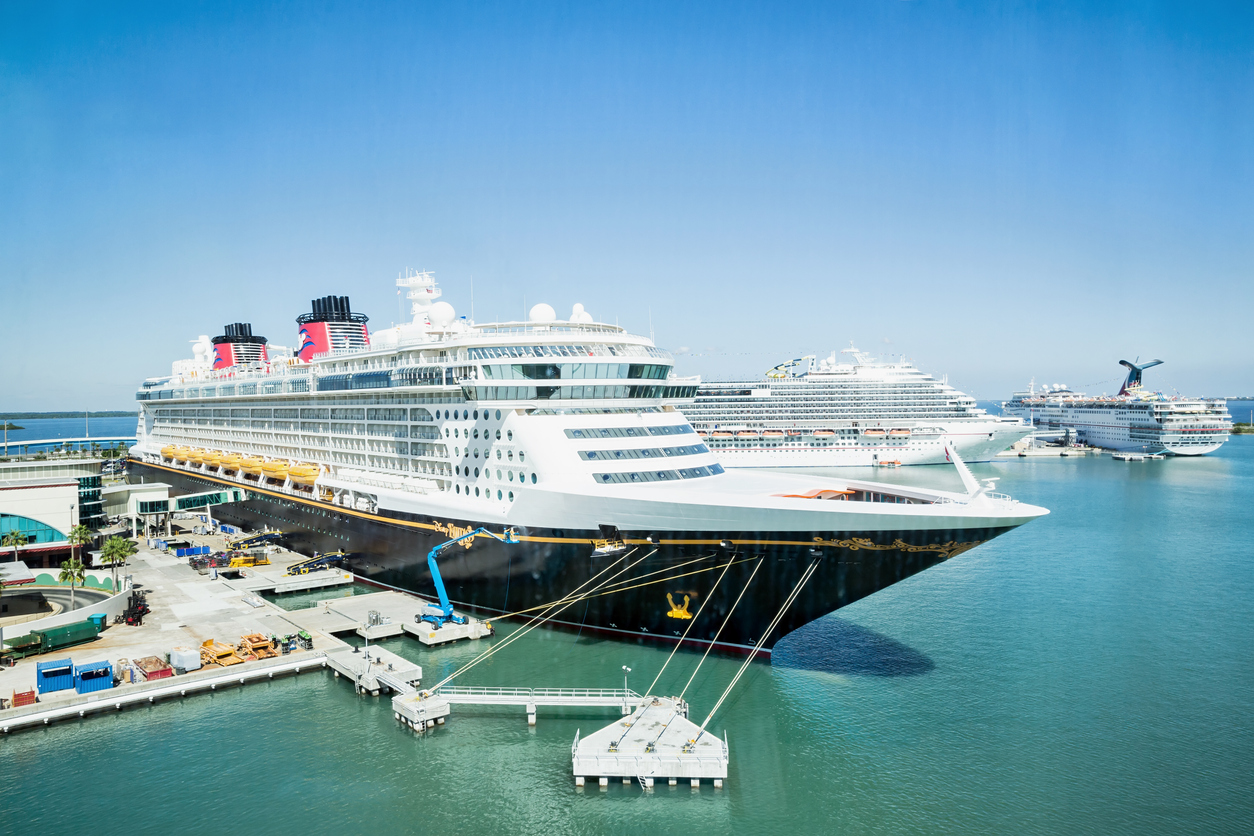
Is The Environmental Damage Due To Cruise Ships Irreversible The Dope Is The Environmental Damage Due To Cruise Lines Reversible

Carnival Cruise Lines Hit With 20 Million Penalty For Environmental Crimes Npr
Cruise Ship Pollution Is Causing Serious Health And Environmental Problems
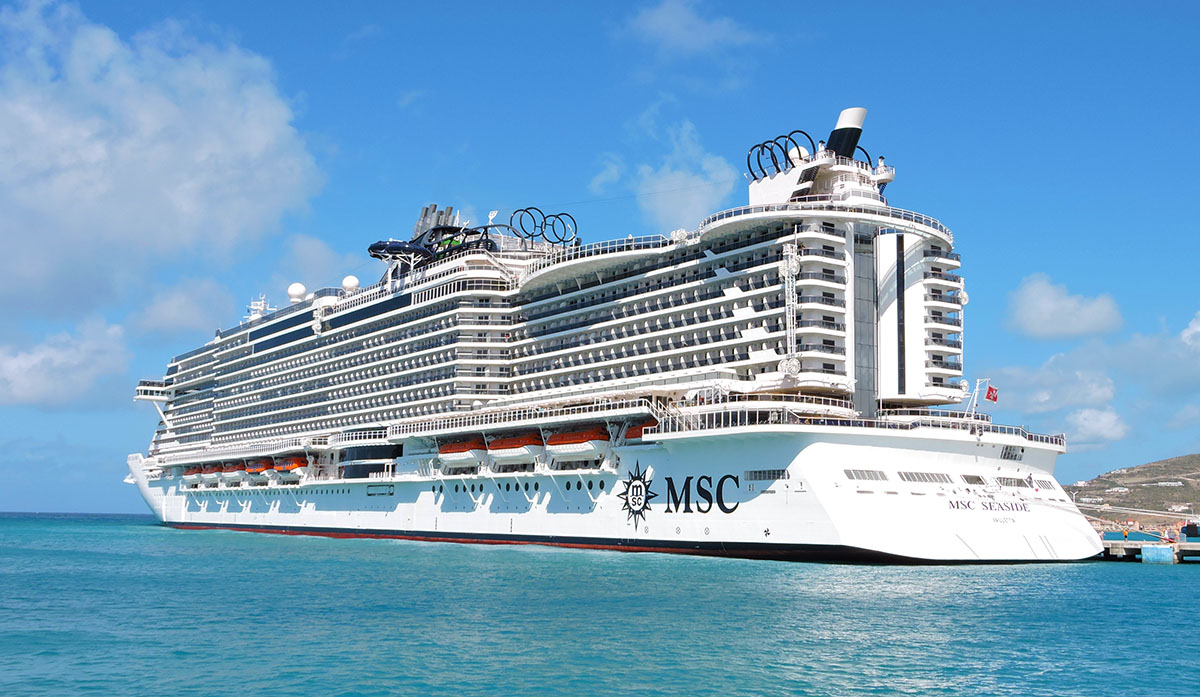
Msc Latest Cruise Line To Eliminate Single Use Plastics

Roundtable How Can Cruise Lines Reduce Their Environmental Impact

Penang A Popular Port Of Call For Cruise Liner The Star
Cruise Line Sustainability Post Covid 19 Where To Now Sea Going Green
Carnival Corporation The Eco Friendly Cruise Line The New Economy

Mv Werften To Install Comprehensive Evac Complete Cleantech Solution On Board Two Global Class Cruise Ships For Star Cruises Evac
/cdn.vox-cdn.com/uploads/chorus_asset/file/19745569/GettyImages_1202944947.jpg)
The Coronavirus Cruise Ship Quarantines Confirm Cruises Are Bad Vox
Loyalty To Green Brands Pushes The Cruise Industry Towards Better Seas Yale Environment Review
/cdn.vox-cdn.com/uploads/chorus_asset/file/13445609/8049695654_c027c6a1ba_o.jpg)
The Coronavirus Cruise Ship Quarantines Confirm Cruises Are Bad Vox

Quantifying Food Waste On Cruise Ships Experiences From China

